

Why More Builders Are Switching to AAC Blocks
 March 05, 2026
Red brick has been the default choice in Indian construction for so long that most people stopped questioning it. It was just what you used. Everyone used it. And for a long time, that was a perfectly reasonable position.
But spend enough time on sites today and you start hearing a different conversation. Contractors talking about waste. Developers watching deadlines slip. Building owners asking why their electricity bills are so high. The problems are not new, but the patience for them is running out.
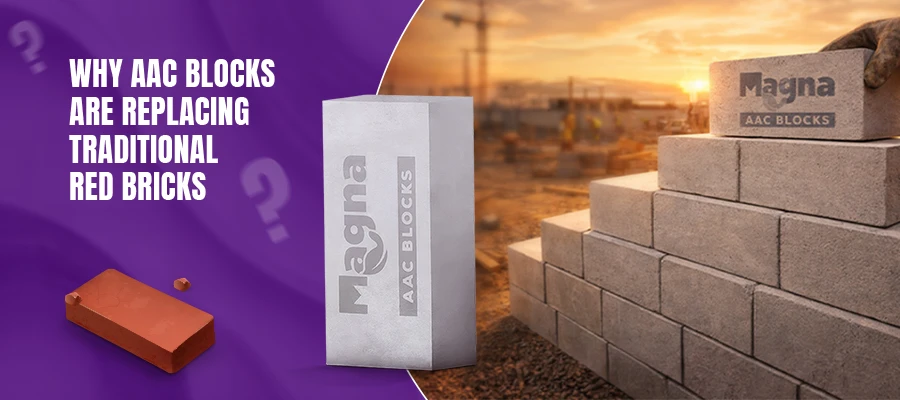
AAC blocks have been filling that gap quietly for years. Not through aggressive marketing, but through results on actual sites. Contractors who switched talk about faster wall construction, lower material waste, and buildings that stay cooler without extra effort. It is the kind of word-of- mouth that takes time to build and tends to mean something.
What makes AAC blocks different
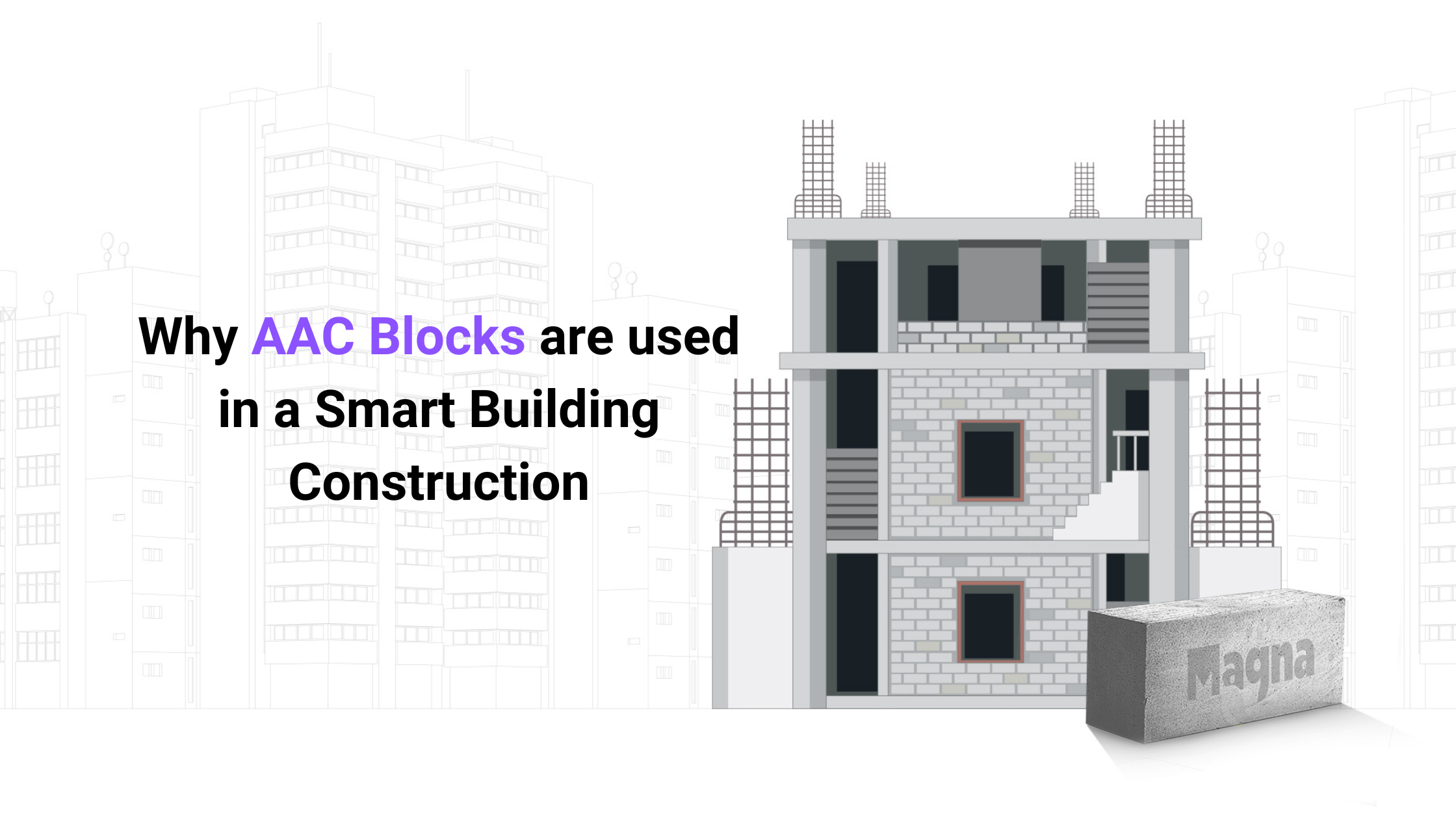
The material itself is not complicated to understand. Fly ash, cement, lime, and a small amount of aluminium paste go into a mould, expand, and get cured under high pressure steam. The result is a block riddled with tiny air pockets, which is precisely where its advantages come from.
Those air pockets make the block considerably lighter than brick. On a large project, that weight reduction matters from the foundation upward. Less dead load on the structure, less strain on workers moving materials around site, and less time spent on installation because the blocks are easier to handle. A mason who is not exhausted by mid-morning works faster and makes fewer mistakes.
The heat problem in Indian buildings
Walk into any brick building in Coimbatore in the middle of summer and you feel it almost immediately. That trapped, stale heat that no fan really fixes. The walls soak it up through the day and push it back out through the night, and the air conditioner just runs and runs.
AAC blocks handle heat differently. The same air pockets that keep the block light also slow down heat transfer through the wall. The inside stays cooler for longer without doing anything extra. For a homeowner, that means a lower electricity bill every month. For a developer, it means something you can actually put in your project brochure and stand behind.
Fire and sound, without any extra effort
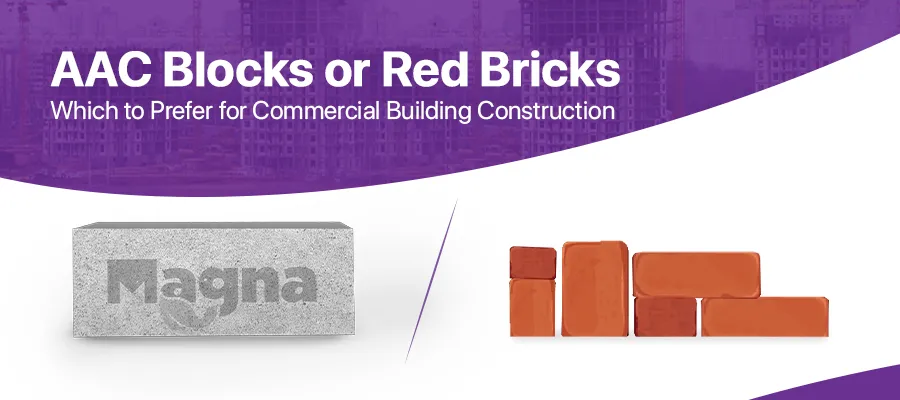
AAC blocks will not burn. More precisely, the material is non-combustible and holds up under high temperatures far longer than conventional brick or hollow block. For commercial projects, healthcare buildings, and high-rise residential developments, that matters both for occupant safety and for compliance requirements.
On noise, the same structure that insulates against heat does a reasonable job of absorbing sound. It is not a substitute for specialist acoustic treatment in a recording studio, but for separating flats, offices from corridors, or wards in a hospital, it performs well enough that builders rarely need to add anything extra.
The precision advantage
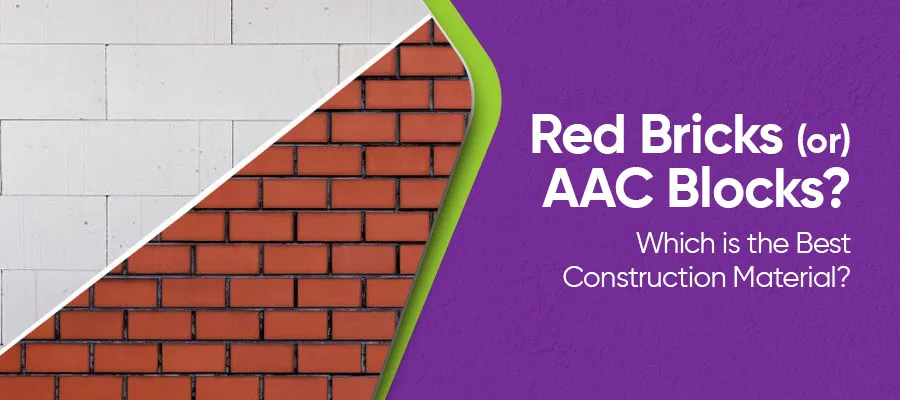
One thing that surprises builders when they first start working with AAC blocks is how consistent they are. Traditional brick varies. The mortar joints compensate, and those thick joints add up in ways that affect finishing work, tile alignment, and material consumption.
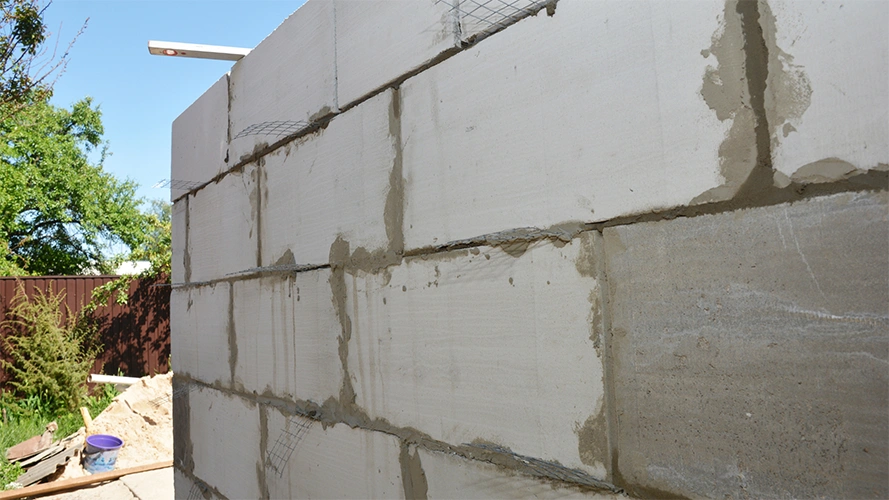
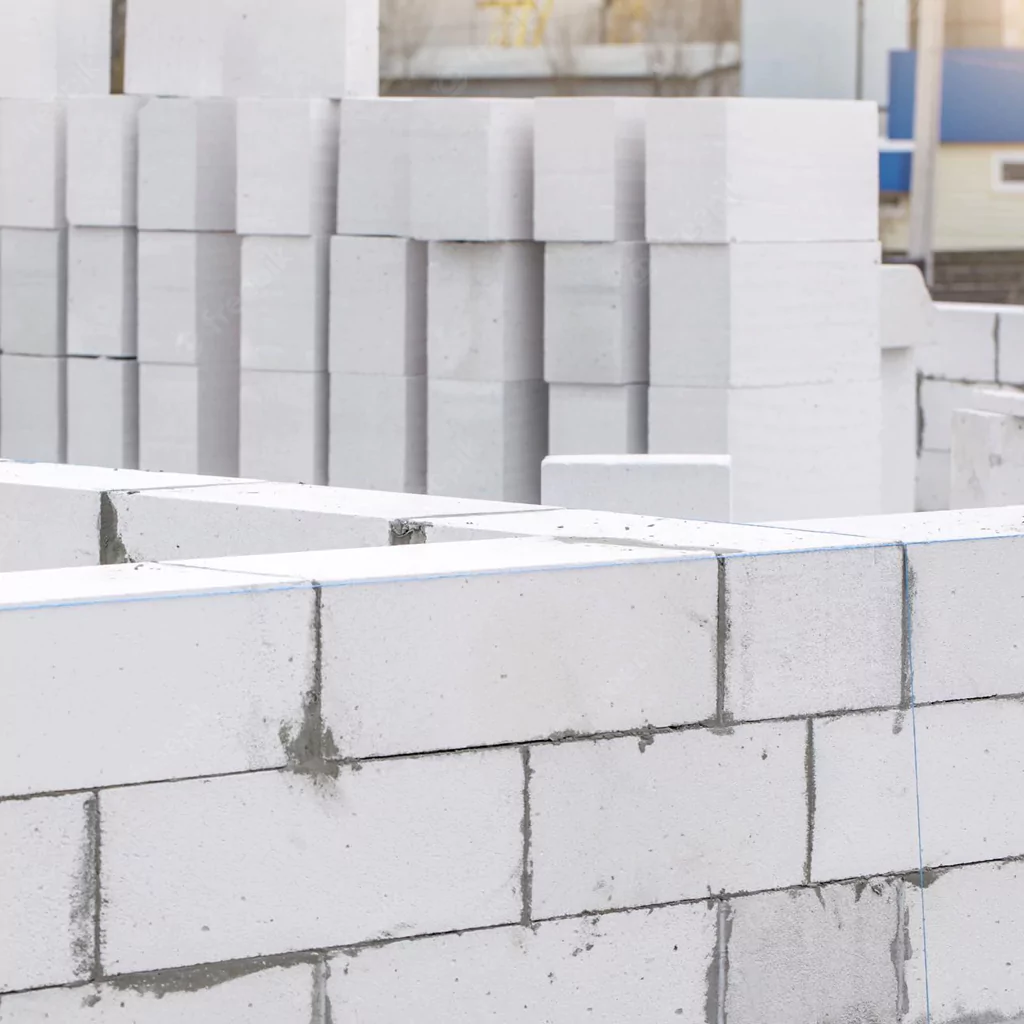
AAC blocks come out of the factory to precise dimensions every time. Joints are thinner. Plaster goes on more evenly. Electrical and plumbing chases can be cut cleanly with ordinary tools rather than hammered out clumsily. None of this is dramatic on its own, but together it shaves real time off the finishing stage, which is often where projects lose their schedule.
The honest argument for switching
AAC blocks are not perfect for every application. They are not the cheapest option on day one, and working with them does require some adjustment for teams used to conventional brick laying. But across the full lifecycle of a project, from foundation sizing to energy bills to maintenance, the numbers tend to favour them.
Magna Green has been manufacturing AAC blocks from their facility in Karur for years now, supplying projects across Tamil Nadu including hospitals, educational institutions, and residential developments. The product is consistent, the blocks are certified to the relevant standards, and the company has built a reputation locally that has come from delivering reliably rather than just promising well.
If you are at the stage of planning a new project and still defaulting to brick out of habit, it is worth having a proper look at the alternative. The industry has moved. The material has proven itself. The only question left is whether your next building will benefit from it.
Recent Posts