
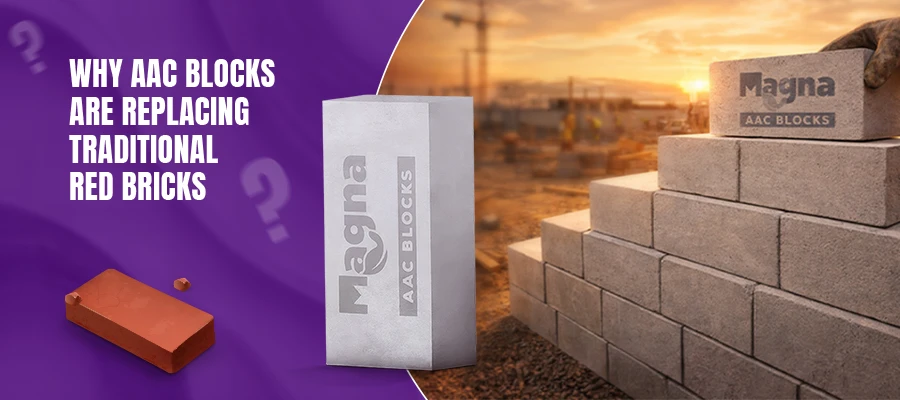
Why AAC Blocks Are Replacing Traditional Red Bricks
 March 27, 2026
Over the past several years, AAC blocks have been making inroads into the construction industry in a way that does not get much attention but is hard to ignore once you start noticing it. The builder noticed that the construction was faster, the buildings stayed cold and pests were at bay.
What took so long
Construction is a conservative industry, and for good reason. When you are putting up something that people will live and work inside for decades, you do not experiment casually. Brick was known. It was trusted. Switching to something unfamiliar felt like a risk that was hard to justify.
The product did not change. The problems just got harder to absorb. Brick is heavy, and that weight does not just affect the walls. It works its way down into the foundation, the structural frame, the cost of moving materials around site. And because no two bricks are quite the same size, the people doing the finishing work spend a disproportionate amount of time compensating for it.
These were always problems. They just became expensive ones.
What AAC blocks actually do differently
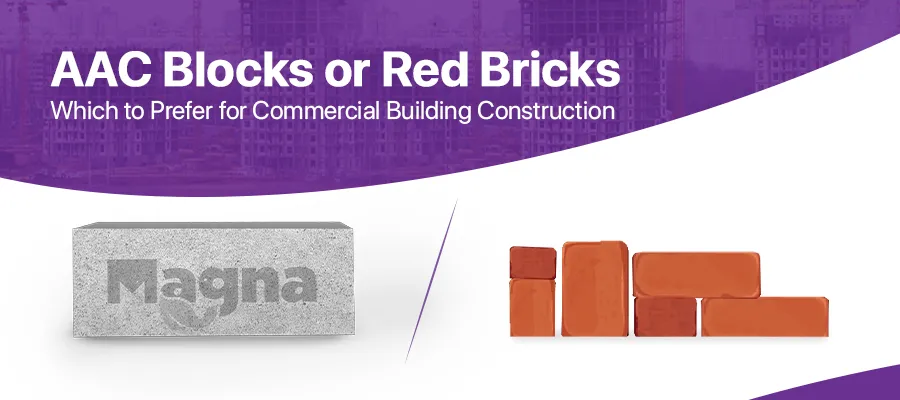
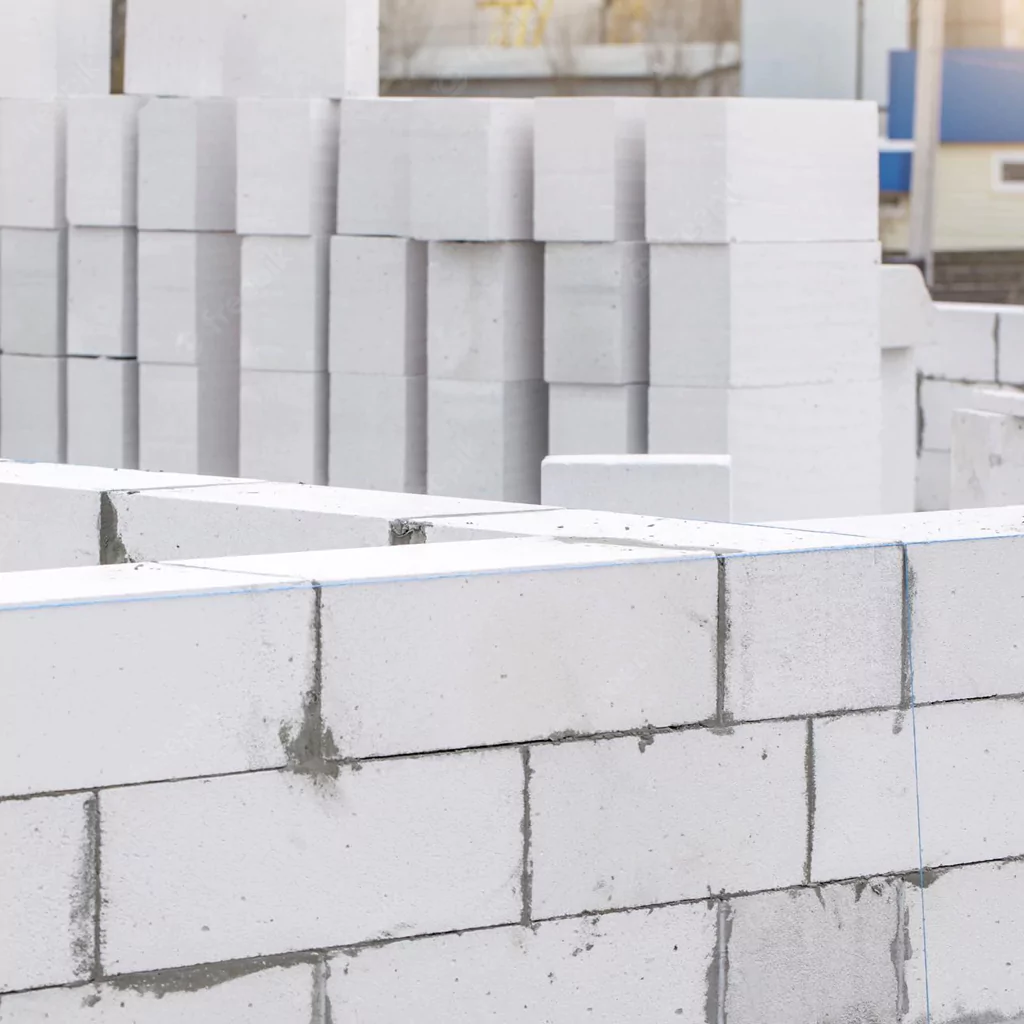
The material is made from fly ash, cement, lime, and a small aerating agent that creates millions of tiny air pockets inside the block. Those air pockets make the blocks light, gives insulation and performs so much better than clay brick.
The weight difference alone changes how a project runs. AAC blocks are roughly three times lighter than equivalent brick. That reduces the load on the foundation, which can bring structural costs down meaningfully on larger builds. It also makes the blocks easier to carry and lay, which reduces fatigue on site and tends to produce cleaner, more consistent work.
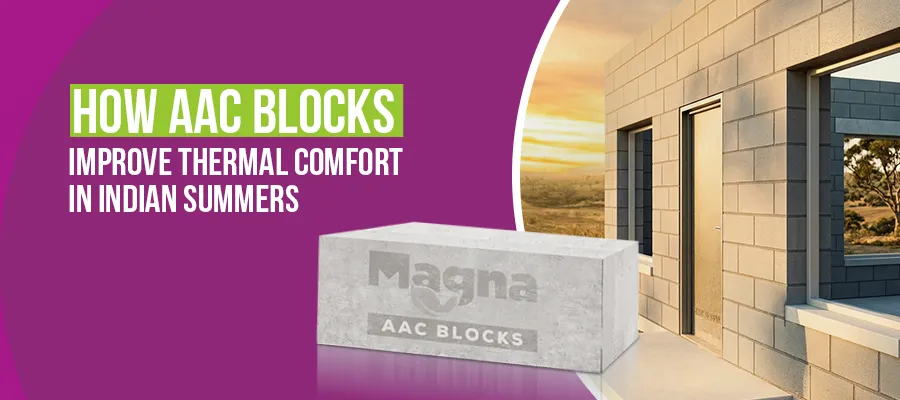
On heat, the difference is noticeable. Walk into a brick building in summer and you feel it. That thick, stored heat that the walls release through the evening. AAC blocks simply do not store heat the way brick does. The air pockets inside the material slow things down. Heat that would otherwise push straight through the wall gets interrupted, and the inside of the building stays more bearable for longer.
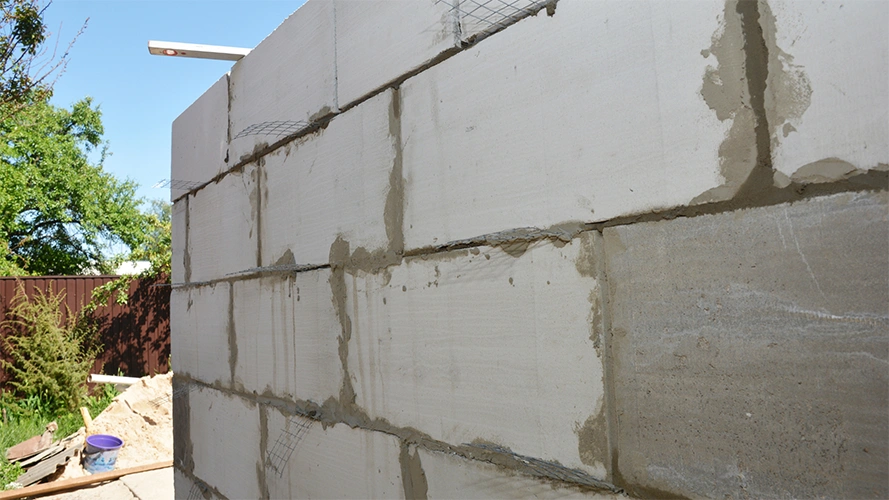
The precision is something builders tend to notice only after they have spent years dealing with the alternative. Brick varies. You compensate with mortar, and those thick uneven joints create problems that travel all the way through to the finishing work. With AAC blocks, the dimensions are consistent every time. Joints stay thin, plaster sits flat, and cutting a chase for a wire or a pipe is a clean job rather than a half-hour argument with a chisel.
Where things stand now
AAC blocks are not a new product. They have been used extensively across Europe and parts of Asia for decades. What is newer is the confidence among Indian builders that the material delivers on what it promises. That confidence has been earned project by project, and it is why the shift away from traditional brick is accelerating.
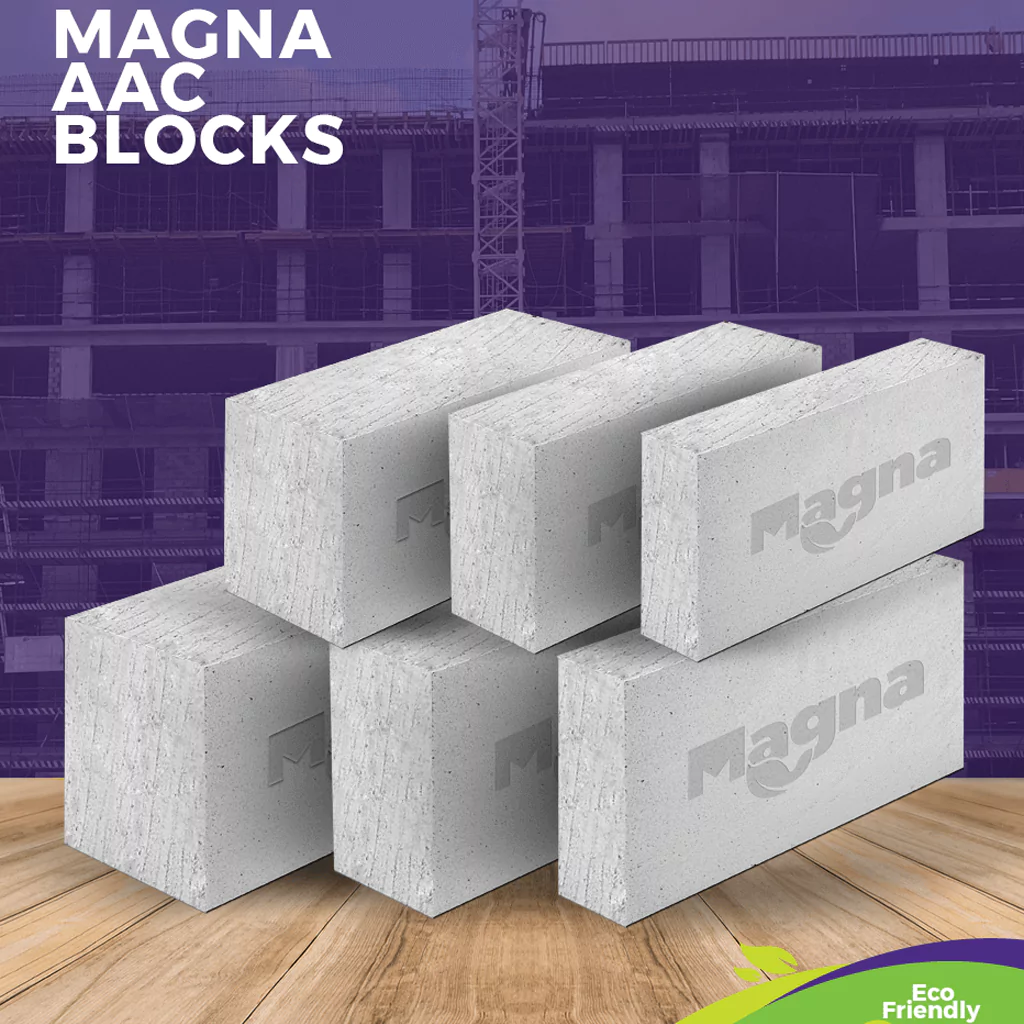
Magna Green manufactures AAC blocks from their facility in Karur, supplying projects across Tamil Nadu from residential housing to large commercial and institutional developments. The case for switching is straightforward. The buildings that have already switched are proof enough.
Recent Posts